Why Does the British Royal Family Flies on Commercial Airlines?
Many people imagine the British royal family stepping onto private jets every time they travel. The reality looks very different. While private and military aircraft are common for official duties, commercial flights remain part of the royal travel routine.
The decision depends on several factors. Security comes first, followed by scheduling, cost, and the purpose of the trip. That balance has led several senior royals to fly alongside everyday passengers, proving that royal travel is not always as extravagant as it seems.
Prince William and Catherine, Princess of Wales, have shown that commercial flying is far from unusual. The royal duo has boarded scheduled airline flights for both official visits and personal trips, often surprising fellow travelers along the way.
Their official tour of India in 2016 began on a British Airways flight from London to Mumbai. They also flew with Aer Lingus during their first official visit to Ireland in 2020. When they attended the Earthshot Prize ceremony in Boston in 2022, they again traveled on a commercial airline instead of using a private aircraft.
Private family trips have included commercial airlines as well. Prince William and Princess Catherine have flown on carriers such as Flybe and EasyJet while traveling around the United Kingdom.
Official Royal Duties Usually Require Different Aircraft
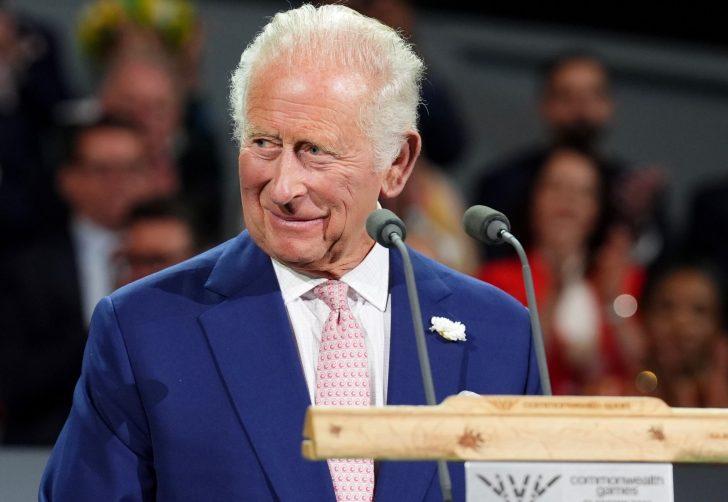
The Royal Fam / IG / Official engagements follow a different set of rules. Senior working royals often travel on aircraft arranged by the British government or the Royal Air Force.
These flights provide flexibility that scheduled airlines cannot always match.
The Royal Air Force’s VIP Voyager remains one of the primary aircraft used for overseas tours. The specially configured Airbus allows government officials and senior royals to travel securely while maintaining official schedules. Depending on the destination, smaller RAF Falcon aircraft or chartered private jets may also be used.
Official tours often include several cities within a short period. Tight schedules leave little room for airline delays or missed connections. Dedicated aircraft allow royal teams to adjust travel plans quickly while keeping every engagement on time.
Security also becomes much easier to manage. Royal protection officers coordinate closely with local authorities before arrival. Private terminals and controlled boarding areas reduce disruption while helping security teams monitor every stage of the journey.
The Line Of Succession Comes With Special Travel Rules
One of the most talked-about royal travel traditions involves the line of succession. The rule aims to protect the future of the monarchy by limiting the chance that several direct heirs travel together on the same aircraft.
For many years, Prince William generally traveled separately from his father after reaching adulthood. The practice reflected long-standing guidance rather than a strict legal requirement. Exceptions can still happen when the reigning monarch approves them.
Attention has now shifted toward Prince George. As the eldest child of Prince William and Princess Catherine, he stands second in line to the throne. Reports suggest that similar travel considerations may gradually apply as he grows older, although no official age has been publicly confirmed.
The rule often creates public curiosity because recent family trips have included William and George traveling together. Royal experts point out that modern security assessments and the monarch’s approval allow flexibility when circumstances call for it.
However, Queen Elizabeth II traveled more than almost any monarch in British history. During her seventy-year reign, she visited well over one hundred countries and logged more than one million air miles.
Security Shapes Every Travel Decision
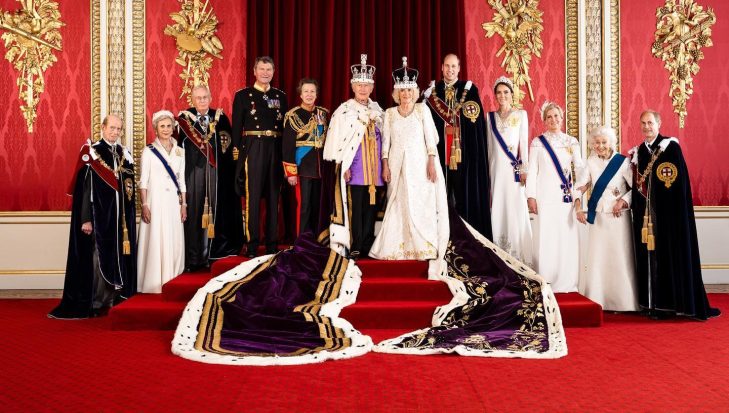
The Royal Fam / IG / Security remains the single biggest factor behind every royal journey. Every destination undergoes detailed planning long before the aircraft leaves the ground.
Protection officers study local conditions, airport layouts, transportation routes, and potential risks. Those assessments help determine whether a commercial airline can safely accommodate the visit or if a dedicated aircraft becomes necessary.
Official visits involve meetings with government leaders, public walkabouts, and large crowds. Those events create additional security demands that scheduled airlines cannot always support. Private or military aircraft offer much greater control over arrivals and departures.
Commercial flights remain possible when the risk assessment allows them. Royals may board discreetly, use premium cabins, and travel with protection officers who blend into the surrounding environment. Many passengers never realize they shared a flight with members of the royal family until news reports appear later.