VIDEO: Fluffy Ginger Cat Uses Cute Tactics to Let Mom Know Her Bowl Is Empty
Every cat owner knows that mealtime is serious business. Some cats patiently wait by their bowls. Others quietly follow their humans through the house. Then there are cats like Zoey, who seem convinced that subtlety is completely overrated.
The fluffy orange feline has become an online favorite thanks to a hilarious video showing exactly how she reacts when her food bowl runs empty. Instead of sitting quietly and hoping for a refill, Zoey launches into a dramatic performance that leaves little room for misunderstanding.
The charming clip has cat lovers laughing for one simple reason. Zoey makes her demands impossible to ignore.
According to her amused owner, the food-obsessed kitty has developed a habit of aggressively tipping her empty bowl back and forth across the floor whenever she wants attention.
The video, shared on TikTok, begins with Zoey standing near her bowl, clearly unhappy with the current situation. Rather than meowing endlessly, the determined feline takes matters into her own paws.
The ginger troublemaker starts shoving and flipping the bowl, creating a clattering sound that echoes across the room. The performance feels less like a request and more like an official complaint.
Every movement appears carefully calculated. Zoey knows exactly what she is doing and seems completely committed to making sure her human notices. The funniest part may be her confidence. The fluffy cat behaves as though an empty bowl represents a household emergency that demands immediate action.
Her owner’s running commentary throughout the video makes the moment even funnier. The playful narration captures the frustration and amusement that many cat parents experience every day. Despite Zoey’s efforts, the determined feline did not appear to receive an instant refill. As her owner jokingly suggested, the hungry cat might have to “DoorDash” dinner instead.
Why Cats Become So Focused on Food?

Marc / Pexels / Zoey’s cute bowl-flipping routine might seem dramatic, but food motivation is extremely common among cats. Many felines quickly learn that certain behaviors produce results.
If a cat receives attention after making noise, scratching at a cabinet, or knocking something over, the behavior often becomes a regular habit. Cats are excellent observers and learn patterns surprisingly fast.
Over time, these actions can evolve into elaborate routines. Some cats wake their owners at dawn. Others lead humans directly to the kitchen. A few creative felines invent strategies as memorable as Zoey’s ‘bowl-flipping’ performance.
Food is a powerful motivator because cats thrive on consistency. Most enjoy predictable schedules and quickly notice changes in feeding routines. A meal that arrives even slightly later than expected can feel like a major disruption from a cat’s perspective.
However, that does not necessarily mean a cat is hungry all the time. Often, the behavior reflects anticipation and habit rather than genuine nutritional need. Pet experts frequently note that cats are creatures of routine. Once a feeding schedule becomes established, many felines expect it to be followed with remarkable precision.
When a Love of Food Becomes a Health Concern
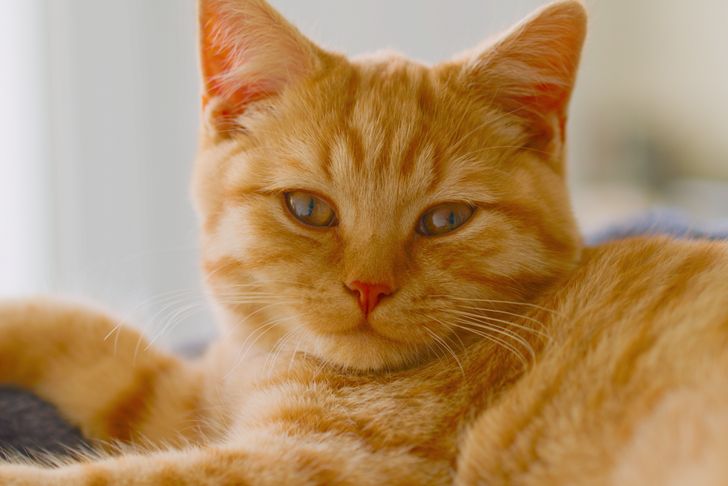
Line / Pexels / While food-motivated cats can be entertaining, experts caution that overeating may create health challenges over time.
A cat that constantly seeks snacks or receives frequent treats can gradually gain excess weight without the owner noticing immediately. This is especially true for long-haired breeds, whose thick coats can hide changes in body condition.
Many people assume a fluffy cat is simply larger because of its fur. In reality, determining a healthy weight often requires a closer look. Veterinarians recommend gently feeling a cat’s body with your hands. Ribs and bones should still be detectable beneath a healthy layer of flesh.
Visual appearance alone does not always tell the full story. Thick fur can create the illusion of a healthy size even when extra weight is present. That is one reason regular veterinary checkups remain important. A professional assessment can help determine if a cat’s weight falls within a healthy range.
Feeding guidelines printed on cat food packaging can provide a useful starting point, but individual needs vary significantly. Age, activity level, breed, metabolism, and medical conditions all influence how much food a cat requires.