The Kohinoor Diamond Likely Formed in Iron-Rich Zones Deep Beneath the Earth’s Crust, New Study Says
The Kohinoor diamond has sparked wars, royal drama, and endless debate for centuries. Now, scientists believe the famous gem carries clues from a hidden world far below Earth’s surface. A new study suggests the Kohinoor may have formed inside iron-rich regions buried deep beneath the planet’s crust.
That finding changes more than just the story of one diamond. Researchers say it could reshape how experts understand the birth of some of Earth’s rarest gemstones. The study points toward a violent underground process packed with heat, pressure, and molten iron.
For a stone surrounded by myths and politics, the science behind it just became far more interesting.
The Kohinoor Formed Far Below Earth’s Surface
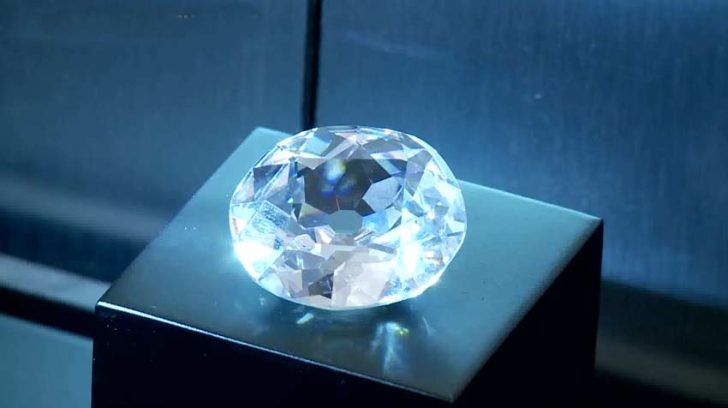
Ind Today / Kohinoor may have come from an even stranger place. Researchers believe the gem likely developed in iron-rich pockets located hundreds of kilometers beneath Earth’s crust.
These areas sit near the boundary between the upper and lower mantle, where temperatures reach extreme levels.
Scientists studied tiny mineral traces trapped inside ancient diamonds similar to the Kohinoor. Those microscopic inclusions act like time capsules. They reveal the chemical conditions present when the stones first formed. The team found strong signs of iron and carbon interacting under enormous pressure.
That matters because iron changes the way carbon behaves underground. Instead of forming ordinary crystals, carbon exposed to molten iron may produce unusually pure diamonds. Researchers think this process helped create some of the world’s largest and most famous gems.
The Kohinoor fits that profile perfectly. The diamond’s size and clarity have puzzled experts for years. This new theory may finally explain why the stone looks so different from many other historic diamonds.
Earth’s Mantle Holds a Much Wilder Story Than Expected
The study paints a dramatic picture of Earth’s deep interior. Far below volcanoes and tectonic plates lies a chaotic region packed with moving rock, trapped gases, and liquid metals. Scientists once believed diamonds mostly formed in stable zones. New evidence suggests the process can happen in far harsher conditions.
Iron-rich areas deep underground behave almost like giant chemical factories. Carbon dissolves into molten iron under crushing pressure. As temperatures shift, diamonds begin crystallizing from the mixture. Over millions of years, those crystals slowly grow into massive stones.
Volcanic eruptions eventually blast some of them toward the surface. That journey happens through rare explosions called kimberlite eruptions. These violent events move incredibly fast. Without them, diamonds would remain trapped underground forever.
Researchers believe the Kohinoor likely traveled this exact route. The gem probably formed billions of years ago, before rising toward Earth’s surface through ancient volcanic activity in India.
The Discovery Could Change Diamond Research Forever

Eca / For decades, many researchers focused on carbon-rich rock formations closer to Earth’s surface. This new evidence points much deeper underground.
That shift could help experts locate undiscovered diamond deposits. Iron-rich mantle zones may hold more giant gemstones waiting to be found. Researchers also think these regions could explain the formation of other legendary diamonds tied to royal collections around the world.
The findings may even improve our understanding of Earth itself. Deep mantle chemistry remains one of geology’s biggest mysteries. Diamonds offer a rare glimpse into those hidden layers because they preserve ancient material inside them.
Some scientists describe diamonds as geological memory sticks. They carry chemical fingerprints from parts of Earth humans can never directly reach. Every trapped mineral tells part of the story.
The Kohinoor now appears to hold evidence from one of the planet’s most extreme environments.