Why the “Soft Life” Is Gaining Popularity Among Gen Z
A noticeable shift is taking place across Gen Z’s social feeds. Calm mornings, quiet routines, and simple pleasures now get more attention than packed schedules or nonstop productivity. This movement, widely known as the “soft life,” reflects a growing preference for comfort, rest, and emotional balance.
While it shows up as a visual trend online, it also signals deeper attitudes about work, success, and well-being.
What the Soft Life Represents
At its core, the soft life emphasizes taking pleasure in simple routines: a steaming cup of tea, fresh sheets, a quiet morning, or a favorite book. It isn’t just an aesthetic—it reflects a generation’s desire to step back from the relentless pace of modern life.
Gen Z’s attraction to the soft life often contrasts with previous generations’ focus on work. Millennials, for instance, embraced “girlbossing” and “leaning in,” often equating long hours and career success with personal achievement.
Anne Helen Petersen highlighted this in her 2019 BuzzFeed article on the “burnout generation.” The younger generation, however, seeks moments of calm, experiences over accolades, and a balance between personal satisfaction and ambition.
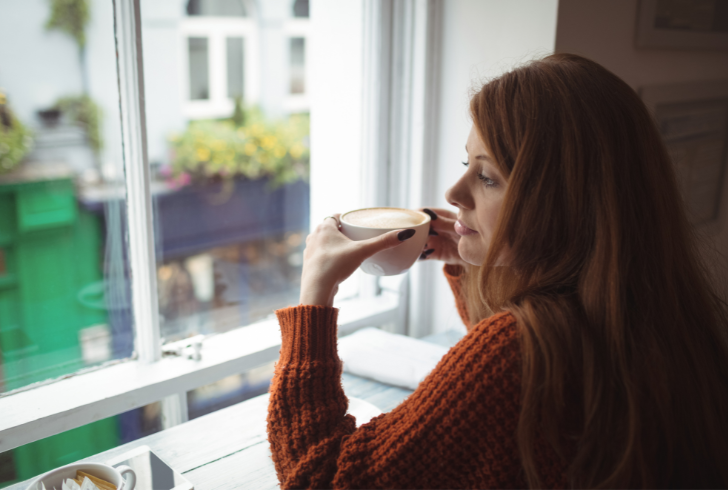
Freepik | wavebreakmedia_micro | The “soft life” prioritizes simple pleasures as an escape from modern burnout.
Stephanie Koh, 21, from New York, explains, “For a long time, there’s been a really strong sentiment of the career woman, achieving big things. I think it’s a reaction to that, where now people are looking for a calmer existence.”
Stephanie O’Dea, New York Times bestselling author of “Slow Living: Cultivating a Life of Purpose in a Hustle-Driven World”, observes that Gen Z doesn’t want to live only to work.
“Previous generations really identified with what you do for a living and how much money you make. This younger generation wants to hike, enjoy life, and spend time with friends without being worked to the bone.”
A Response to Hustle Culture
The soft life reflects a broader critique of hustle culture. With economic instability and uncertain futures, the promise that hard work automatically leads to homeownership or financial security seems less attainable. As a result, focusing on the present and cherishing small joys has become a practical and emotional strategy.
However, the soft life isn’t a permanent lifestyle for most. Koh notes that in reality, soft life moments often exist in short bursts between job responsibilities and daily stress. It’s a way to recharge rather than completely transform life.
She says, “People find moments to take a deep breath, light a candle, drink tea, read, or watch comfort shows. It’s about carving out brief moments of peace.”
When the Soft Life Becomes an Escape
For some, the trend also serves as a way to temporarily avoid responsibilities. Asli Yu, a 21-year-old student at Babson College, describes it as a method to relieve stress.
“I have a hot take on this: I think the soft life trend is a way to escape your responsibilities. People say, ‘I’m just trying to live the soft life’ to avoid doing something they’re supposed to do.”
Yu agrees that it’s a reaction to hustle culture but cautions against overreliance on avoidance. “If you’re doing less, you’re less stressed, but at some point, you have to take responsibility for your actions,” she says.
What Parents Should Understand

Freepik | The soft life inspires Gen Z to find calm and small joys, even while facing daily pressures.
Parents noticing their teens interested in the soft life need not worry. The desire to embrace slow, intentional living does not imply a lack of ambition. Many portrayals of the soft life recognize that achieving this lifestyle requires some stability and effort. Koh points out TikToks where creators highlight that economic stability is often necessary to maintain a soft life.
O’Dea frames the soft life as a tool to prevent burnout. “If you are already stressed in your 20s, think about your 30s and 40s. It’s about stepping back and focusing on what’s important rather than constantly comparing yourself to others,” she says.
Balancing Soft Life Aspirations with Reality
Despite its appeal, the soft life does not erase the pressures young people face. Koh observes that even without a career-driven ethos, many Gen Z individuals navigate unstable job markets and high stress.
“It’s easier to reject everything and focus on something else,” she notes. Posts of sunlight through a window, a warm cup of tea, or a quiet morning journal reflect a necessity rather than a mere indulgence.
The soft life represents a subtle but significant response to modern life pressures. It’s a way to pause, recharge, and create moments of calm without completely disengaging from responsibilities or ambition.