Small Discoveries Have the Power to Inspire & Transform, Here’s How
Big breakthroughs get the headlines, but small discoveries often do the real work. They change how people think, act, and create. A tiny insight can open a door that no one noticed before. That moment of “wait, that’s strange” can lead somewhere important.
The power of discovery does not depend on size or funding. It comes from curiosity and attention. A small finding can spark joy, challenge assumptions, and push someone to ask better questions. That spark matters more than scale.
Small discoveries feel close to everyday life. You do not need a lab full of machines to notice something new. All you need is curiosity, patience, and a bit of focus. That makes the idea of discovery feel open to anyone, not just experts.
This sense of access builds confidence. When people see that simple observations can lead to real insights, they start to look closer at the world. A student watching insects or a hobbyist timing reactions can uncover something useful. It makes science feel human and within reach.
A great example comes from a simple mistake. Researchers once found that queen bumblebees survived underwater for days. The tubes holding them were filled with water by accident, yet the bees stayed alive. That small observation raised big questions about how bees handle extreme weather.
Accidents and Curiosity Drive Real Breakthroughs
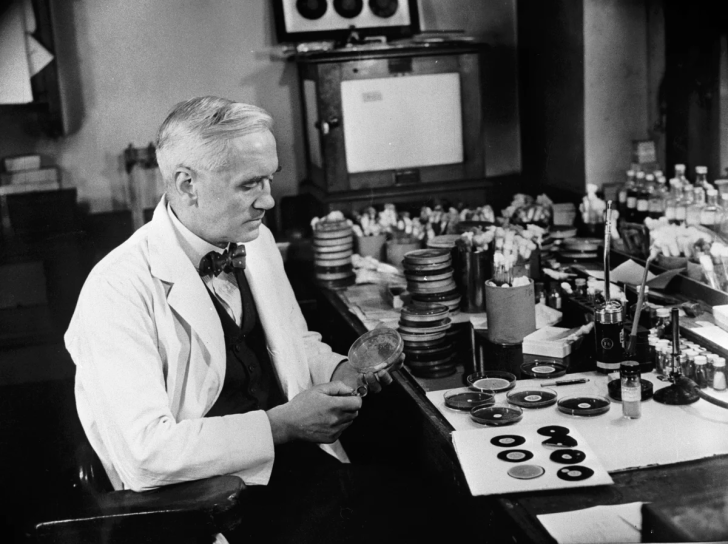
Scientific American / Some of the most important discoveries began as accidents. What matters is not the mistake, but the reaction to it.
Alexander Fleming noticed that mold killed bacteria in a petri dish. He could have ignored it as a failed experiment. Instead, he looked closer and discovered penicillin. That moment changed medicine forever and saved millions of lives.
Other examples follow the same pattern. A melted chocolate bar led to the microwave oven. Sticky burrs on a dog’s fur inspired Velcro.
Nonetheless, not every discovery starts with a clear goal. Some begin with simple wonder. People explore questions just because they feel interesting or strange. That kind of curiosity builds a strong foundation for innovation.
A scientist once asked how tiny ocean organisms move in dark waters. The question seemed small and abstract. Yet it led to insights about how life survives in extreme conditions. It also inspired tools that made science more accessible.
One result of this thinking was the Foldscope, a paper microscope that costs less than a dollar. It allows students around the world to explore biology with their own eyes. A simple question led to a tool that opened science to millions.
New Perspectives Change How We See the World
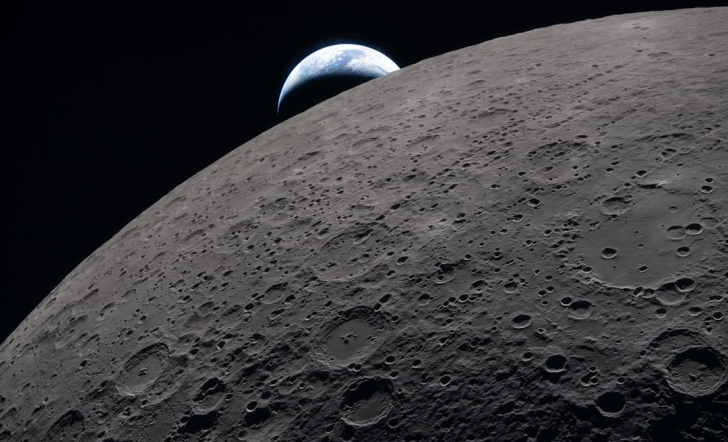
NASA / IG / Some discoveries inspire because they shift perspective. They show something familiar in a new way. That change can be small, but it sticks with people and shapes how they think.
The famous ‘Earthrise’ photo did exactly that. It showed Earth as a small, fragile sphere in space. People saw their home from a distance for the first time. That image helped spark environmental awareness around the world.
Even smaller studies can have a similar effect. Researchers trained bees to tell the difference between odd and even numbers. It sounds unusual, but it changes how we think about animal intelligence. It suggests that complex thinking is not limited to humans.
Large problems can feel overwhelming. Climate change, health issues, and social challenges often seem too big to solve. Small discoveries offer a way forward by breaking that feeling of helplessness.
When people learn about small solutions, they feel more hopeful. For example, moss can absorb pollution and help prevent flooding. Hedgehogs can hear ultrasound, which could lead to safer roads for them. These are not huge fixes, but they are real and useful.