These Iconic ’60s Rockers Died in Relative Poverty, Lawsuit Claims
Many fans believe rock legends live comfortably forever. However, a new lawsuit challenges that belief.
The estates of Noel Redding and Mitch Mitchell, both key members of The Jimi Hendrix Experience, now accuse Sony Music Entertainment UK of denying them rightful earnings for decades. As a result, the case has reopened a serious debate about artist rights and long-term compensation in the music industry.
Redding and Mitchell helped shape one of the most influential rock bands of the 1960s. Yet, according to court filings, both musicians spent their final years with limited financial security.
Their estates claim Sony repeatedly excluded them from revenue generated by iconic albums like “Are You Experienced”, “Axis: Bold as Love”, and “Electric Ladyland.” Because of that exclusion, the lawsuit argues, both artists missed out on income tied directly to their creative work.
Why the Legal Challenge Matters

Instagram | @bpplawsoc | Malynicz KC claims Sony owes the Hendrix estates unpaid, inheritable performance royalties.
Simon Malynicz KC, representing both estates, emphasized that The Jimi Hendrix Experience achieved massive commercial success. Still, he argued, Sony failed to recognize or pay the performers’ legal rights. He also stated that Redding and Mitchell deserved inheritable income rights, which should have continued after their deaths. According to the claim, honoring those rights supports both fairness and artistic integrity.
Sony strongly disagrees. The company maintains that the original recording copyrights belonged to the albums’ producers, not the musicians. Because of that structure, Sony argues that no further payments apply. However, the estates reject that reasoning and continue to press forward.
Past Decisions Complicate the Case
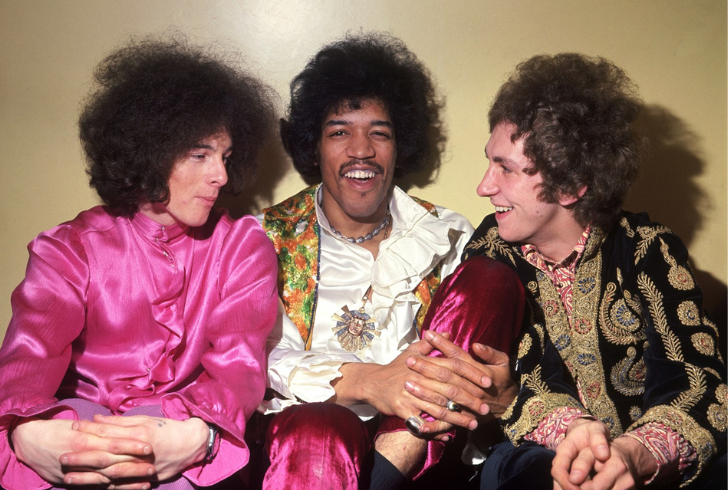
Instagram | 60sgoodtimes | Bandmates Redding and Mitchell sold their shares for a combined $347,500 after Jimi’s death.
After Jimi Hendrix died in 1970, both Redding and Mitchell sold their ownership stakes. Redding received $100,000, while Mitchell accepted $247,500. At the time, neither artist expected the music to generate lasting revenue for decades. Sony has used those sales as a defense, claiming the musicians already settled their claims.
Even so, the London High Court allowed the lawsuit to proceed in January 2024. That decision suggests the court sees merit in revisiting how those agreements functioned long term.
Redding and Mitchell played a crucial role in The Jimi Hendrix Experience, and many believe their estates deserve fair treatment. This lawsuit could influence how labels manage legacy contracts and protect supporting musicians.
The case also highlights that stage success doesn’t always ensure lifelong security, and its outcome could reshape how future artists safeguard their work, earnings, and legacy.