5 Reasons Why Crafting is an Elixir for Your Mental Well-being
Life feels loud these days. Notifications buzz nonstop. Deadlines stack up fast. Your brain barely gets a break before the next thing demands attention. That constant pressure can leave you tired, distracted, and mentally drained.
Crafting gives your mind a softer place to land. It slows the noise without making you feel bored. Painting, knitting, scrapbooking, pottery, or even coloring can shift your mood in surprising ways. Your hands stay busy while your mind finally exhales.
Science also backs it up. Creative hobbies can reduce stress, sharpen focus, and improve emotional health. Better yet, crafting does not require talent or expensive tools. You only need time, curiosity, and a little patience.
Crafting Gives Your Brain a Break From Stress
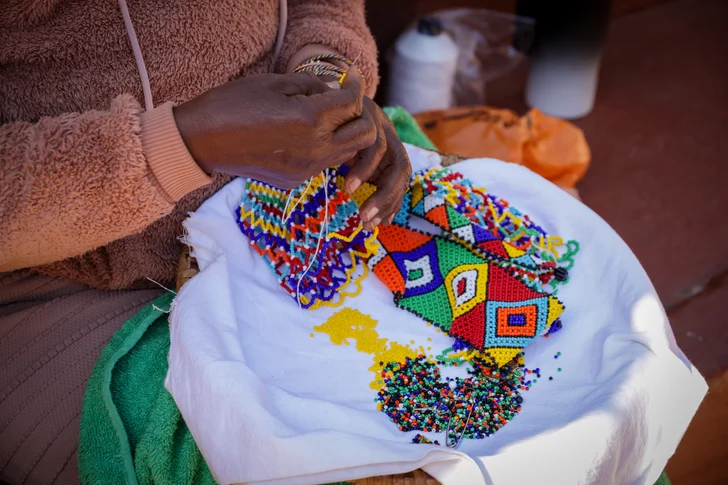
Magda / Pexels / Stress builds quietly. It sneaks into your shoulders, your sleep, and your mood. Crafting interrupts that cycle because it pulls your attention into the present moment.
Your brain stops replaying problems and starts focusing on shapes, colors, textures, and movement.
That mental shift matters more than people realize. Repetitive actions like stitching, painting, or molding clay create a calming rhythm. Your breathing slows down naturally. Your thoughts become less scattered. After thirty minutes of crafting, many people feel lighter and more relaxed.
Creative work also lowers the pressure to be perfect. Nobody expects a handmade candle or painted flowerpot to look flawless. That freedom feels refreshing in a world obsessed with performance and speed.
Even simple crafts can calm your nervous system. Folding paper, arranging beads, or sketching patterns gives your mind one clear thing to focus on. That steady attention helps reduce mental overload.
It Helps You Process Emotions Without Overthinking
Some feelings are hard to explain. Stress, sadness, anger, or anxiety can sit heavy in your chest without clear words attached to them. Crafting creates another way to release those emotions without forcing a long conversation.
Colors, textures, and movement often say what words cannot. A rough sketch, a messy painting, or a handmade journal page can reflect your mood more honestly than a polished speech ever could. That emotional release helps people feel less trapped inside their thoughts.
Crafting also creates a sense of control during difficult moments. Life can feel chaotic, especially when plans fall apart or emotions run high. Finishing a small creative project reminds you that progress still exists. That feeling brings comfort.
Crafting Sharpens Focus in a Distracted World
Attention spans are shrinking fast. Most people switch between apps, messages, and tabs every few minutes. That constant jumping makes it harder to focus deeply on anything for long. Crafting pushes against that habit in a healthy way.
Creative hobbies demand steady attention. You need to follow the steps, notice details, and stay present with the process. Your brain learns how to slow down and concentrate again. That mental workout strengthens focus over time.
Many crafters describe entering a “flow state.” That happens when you become fully absorbed in what you are doing. Hours pass quietly because your mind stops chasing distractions. That focused state feels deeply satisfying and mentally refreshing.
Making Something With Your Hands Builds Confidence
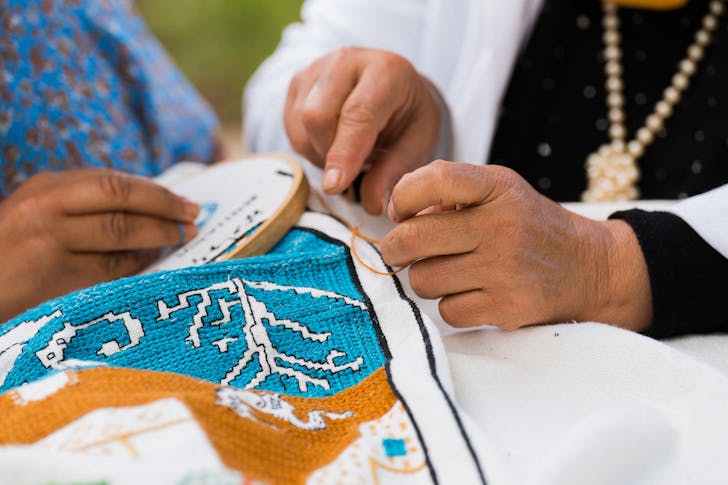
Moun / Pexels / Completing a handmade project gives your brain a reward. It reminds you that effort leads to results. Even a small project can spark pride and motivation.
Crafting also teaches patience. Most creative hobbies involve trial and error. Paint smudges happen. Sewing mistakes happen. Clay cracks sometimes. Instead of seeing mistakes as failures, crafters learn to adapt and keep going. That mindset strengthens resilience outside the craft table.
Confidence grows quietly through creative work. You stop worrying about perfection and start enjoying progress. Over time, that attitude can spill into other areas of life, including school, work, and relationships.
Crafting Creates Real Joy and Human Connection
Joy feels different when you create something yourself. A handmade card, scarf, or candle carries personality and effort. That emotional connection makes crafting more meaningful than buying something off a shelf.
Creative hobbies also bring people together. Craft groups, pottery classes, and online crafting communities give people a shared interest and a reason to connect. Those social bonds can reduce loneliness and improve emotional health.
Many people struggle to make time for themselves. Crafting changes that because it feels both productive and relaxing. You enjoy the process while creating something tangible at the same time. That balance makes the hobby deeply rewarding.